



Calcium Channel
Ca2+ channels; Ca channels
Calcium channel is an ion channel which displays selective permeability to calcium ions. It is sometimes synonymous as voltage-dependent calcium channel, although there are also ligand-gated calcium channels. Voltage-gated calcium (CaV) channels catalyse rapid, highly selective influx of Ca2+ into cells despite a 70-fold higher extracellular concentration of Na+. Some calcium channel blockers have the added benefit of slowing your heart rate, which can further reduce blood pressure, relieve chest pain (angina) and control an irregular heartbeat.
Calcium Channel Isoform Specific Products
All Product Categories
-
Calcium Channel Inhibitors
(579)
View all products
-
Calcium Channel Agonists
(34)
View all products
-
Calcium Channel Antagonists
(213)
View all products
-
Calcium Channel Activators
(83)
View all products
-
Calcium Channel Modulators
(44)
View all products
-
Calcium Channel Chemical
(1)
View all products
-
Calcium Channel Inducers
(11)
View all products
-
Calcium Channel Controls
(10)
View all products
-
Calcium Channel Ligands
(7)
View all products
-
Calcium Channel Related Products (1218)
Related Products (1218)

-
Antibodies (29)
-
Related Compound Screening Libraries (1)
-
Calcium Channel Isoform Comparison
-
Nitrendipine
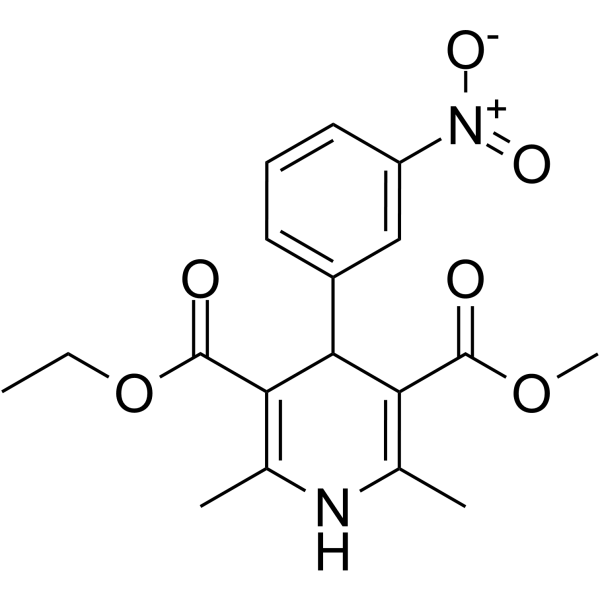 0 ImagesSynonyms: BAY-E-5009Nitrendipine (BAY-E-5009) is an orally active analog of Nifedipine (HY-B0284) and dihydropyridine calcium channel blocker. Nitrendipine induces Apoptosis. Nitrendipine has antihypertensive effects. Nitrendipine blocks alcohol and Morphine withdrawal symptoms. Nitrendipine reduces right ventricular hypertrophy and pulmonary vascular changes induced by intermittent hypoxia. Nitrendipine has anticancer effects on neuroblastoma.
-
Bupivacaine hydrochloride
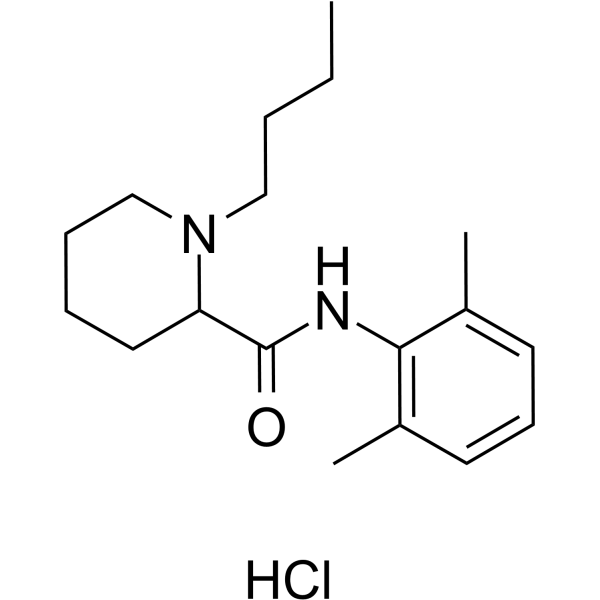 0 ImagesBupivacaine hydrochloride is a NMDA receptor inhibitor.Bupivacaine can block sodium, L-calcium, and potassium channels.Bupivacaine potently blocks SCN5A channels with the IC50 of 69.5 μM. Bupivacaine hydrochloride can be used for the research of chronic pain.
-
Carboxyatractyloside dipotassium
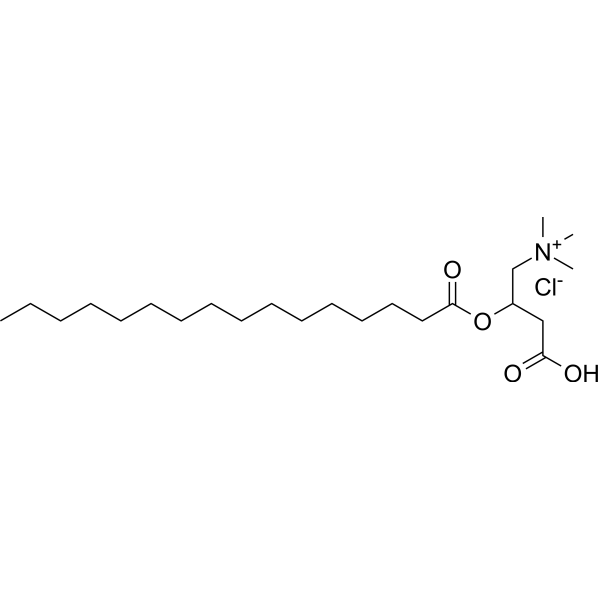
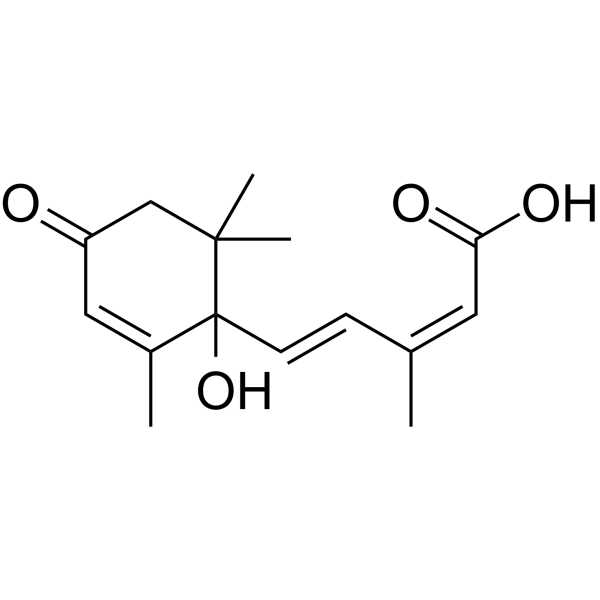
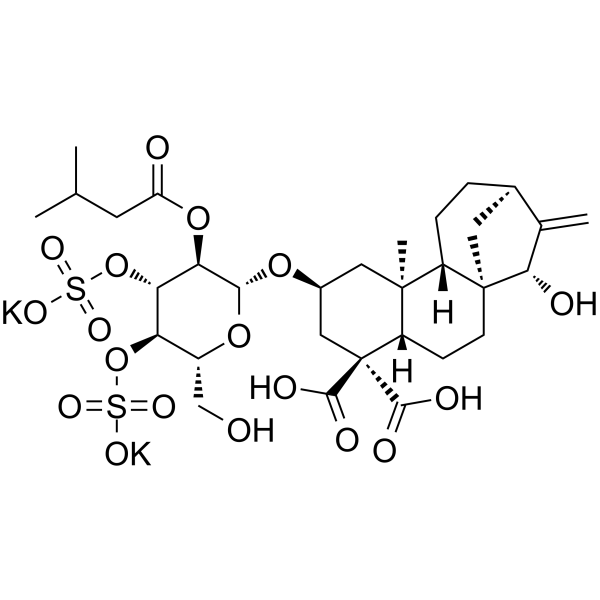 0 ImagesSynonyms: Gummiferin dipotassiumCarboxyatractyloside dipotassium is a diterpenoid. Carboxyatractyloside dipotassium can be isolated from plants of the genus Xanthium. Carboxyatractyloside dipotassium is an ADP/ATP carrier inhibitor, inhibiting mitochondrial ADP/ATP transport. Carboxyatractyloside dipotassium promotes ROS production, induces Ca2+ release, and leads to mitochondrial dysfunction. Carboxyatractyloside dipotassium induces lethargy, weakness, and epileptic seizures in rats.
-
Saquinavir mesylate
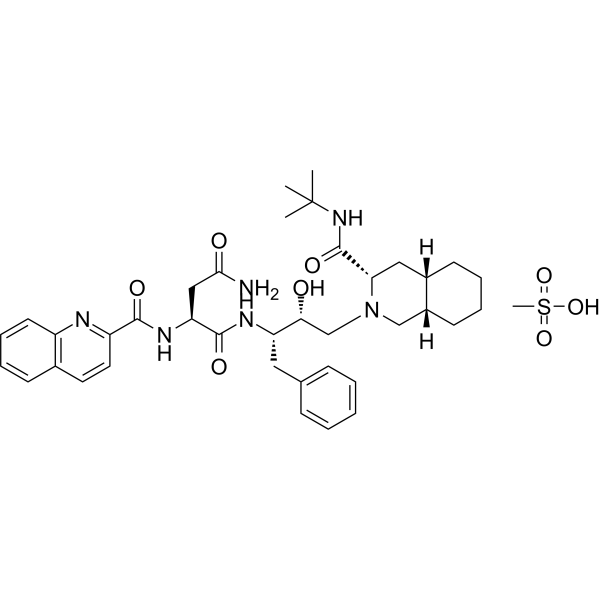 0 ImagesSynonyms: Ro 31-8959/003Saquinavir (Ro 31-8959) mesylate is an orally active HIV protease inhibitor that can be used in the research of AIDS. Saquinavir mesylate also has anti-inflammatory activity and can induce apoptosis of human red blood cells.
-
Ascorbyl palmitate
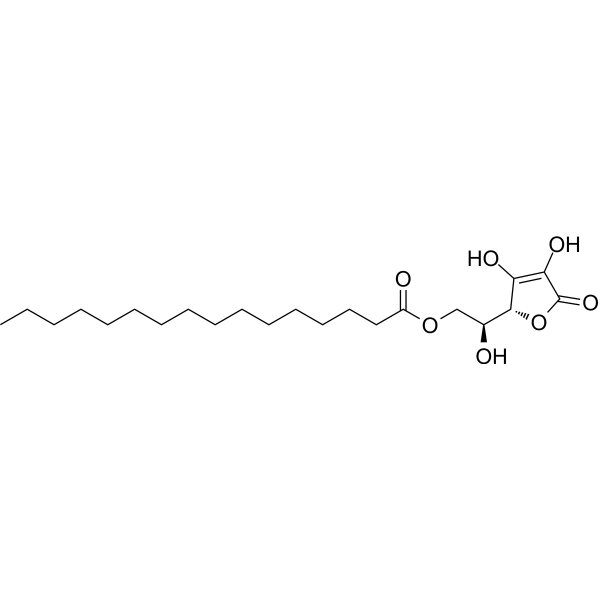 0 ImagesSynonyms: L-Ascorbic acid 6-hexadecanoate; 6-O-Palmitoyl-L-ascorbic acidAscorbyl palmitate is an orally active ester formed from ascorbic acid and palmitic acid, used as an antioxidant and food additive. Ascorbyl palmitate in preventing fat and oil oxidation is more efficient than Butylated hydroxyanisole (HY-B1066) and Butylated hydroxytoluene (HY-Y0172). Ascorbyl palmitate mitigates inhibition of collagen synthesis by select calcium and sodium channel blockers. Ascorbyl palmitate induces Apoptosis in human umbilical vein endothelial cells (HUVECs). Ascorbyl palmitate ameliorates inflammatory diseases by inhibition of NLRP3 inflammasome.
-
Trimethadione
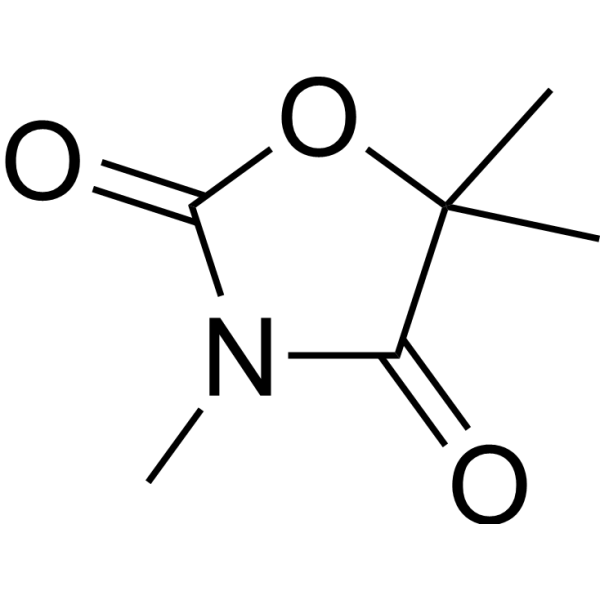 0 ImagesTrimethadione (3,5,5,-Trimethyloxazolidine-2,4-dione) is an oxazolidinedione anticonvulsant agent widely used against absences seizures. Trimethadione also is a T-type calcium channel blocker which has antihyperalgesic effects.
-
Benidipine hydrochloride
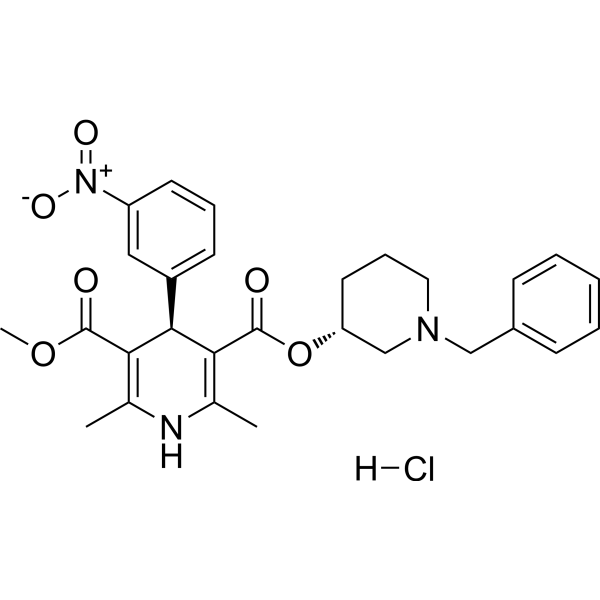 0 ImagesSynonyms: KW-3049Benidipine hydrochloride is an orally active calcium channel antagonist. Benidipine hydrochloride can inhibit cell proliferation and apoptosis. Benidipine hydrochloride has antioxidant activity and can increase nitric oxide synthase activity and improve coronary circulation in hypertensive rats.
-
Minocycline
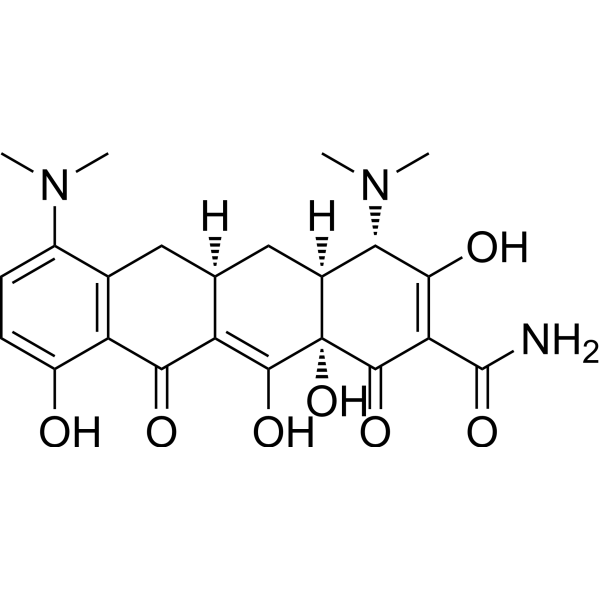 0 ImagesMinocycline is an orally active, potent and BBB-penetrated semi-synthetic tetracycline antibiotic. Minocycline is a hypoxia-inducible factor (HIF)-1α inhibitor. Minocycline shows anti-cancer, anti-inflammatory, and glutamate antagonist effects. Minocycline reduces glutamate neurotransmission and shows neuroprotective properties and antidepressant effects. Minocycline inhibits bacterial protein synthesis through binding with the 30S subunit of the bacterial ribosome, resulting in a bacteriostatic effect.
-
Mibefradil dihydrochloride
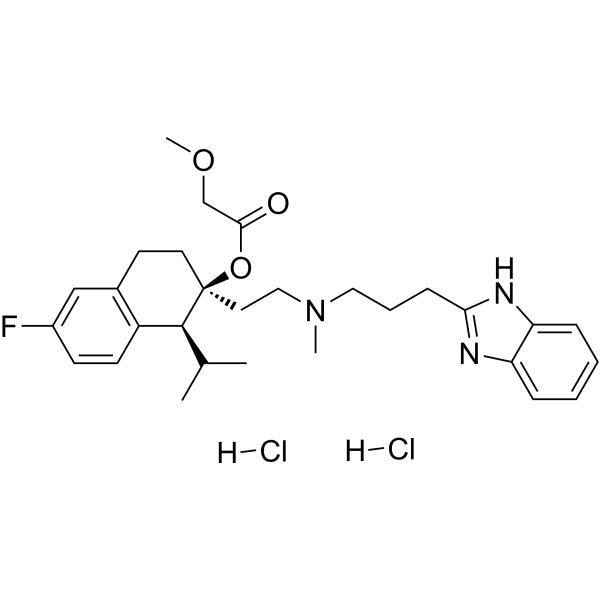 0 ImagesSynonyms: Ro 40-5967 dihydrochlorideMibefradil dihydrochloride (Ro 40-5967 dihydrochloride) is a calcium channel blocker with moderate selectivity for T-type Ca2+ channels (IC50s of 2.7 μM and 18.6 μM for T-type and L-type currents, respectively).
-
Nesiritide
 0 ImagesSynonyms: Brain Natriuretic Peptide-32 human; BNP-32Nesiritide (Brain Natriuretic Peptide-32 human) is a recombinant human B-type natriuretic peptide. Nesiritide is a NPRs agonist, with Kd values of 7.3 and 13 pM for NPR-A and NPR-C, respectively. Nesiritide regulates V1/2 activation/inactivation of the L-type calcium channel. Nesiritide shows vasodilatory, diuretic, and natriuretic activities. Nesiritide is used in cardiovascular diseases such as heart failure and vascular remodeling after arterial injury.
-
Diacerein
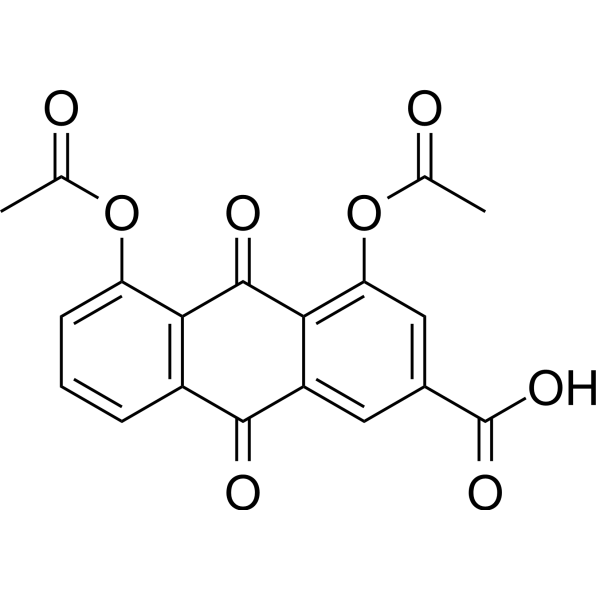 0 ImagesSynonyms: Diacerhein; DiacetylrheinDiacerein (Diacerhein), an orally active anthraquinone, reduces production of IL-1 converting enzyme then inhibits the activation of IL-1β by related downstream signaling. Diacerein is an anti-inflammatory and anti-rheumatic drug. Diacerein can relieve bronchospasm and control airway inflammation in asthmatic mice. Diacerein has the potential for slow acting drug in osteoarthritis (SYSADOA) research.
-
Formic acid ammonium
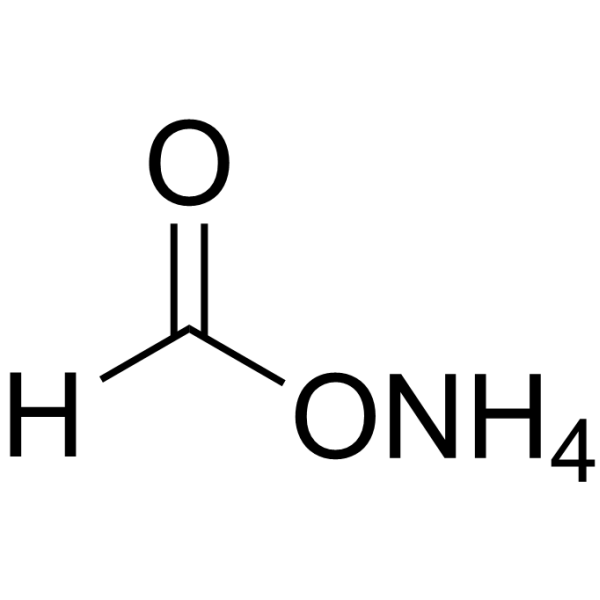 0 ImagesFormic acid ammonium is the ammonium salt form of formic acid, which is an endogenous metabolite. Formic acid ammonium activates the nitric oxide/cyclic guanosine monophosphate (NO/cGMP) signaling pathway in endothelial cells and inhibits calcium ion influx in vascular smooth muscle cells, resulting in vasomotor relaxation. Formic acid ammonium inhibits cytochrome C oxidase (CcO) and disrupts the electron transport chain, leading to ATP depletion. Formic acid ammonium can be used as a feed additive, which can lower the feed pH value, inhibit the growth of microorganisms (such as Escherichia coli, Salmonella), and extend the shelf life of the feed.
-
TMDJ-035
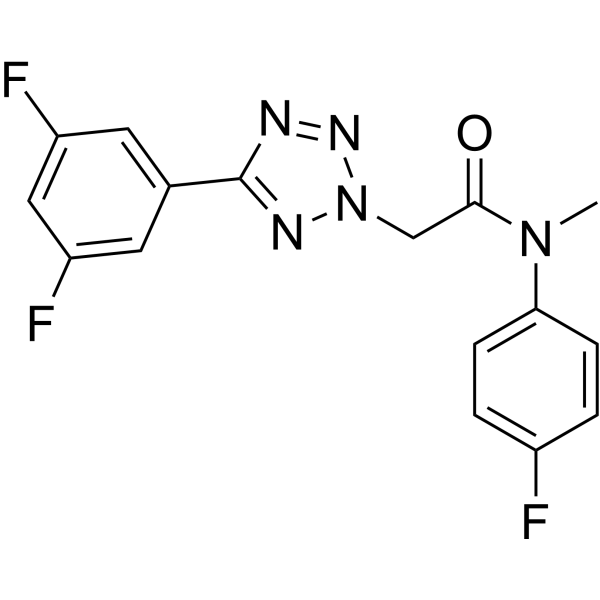 0 ImagesTMDJ-035 is a high-affinity, selective RyR2 inhibitor with an EC50 of 0.0130 μM. TMDJ-035 reduces RyR2 protein expression without affecting action potential-induced Ca2+ transients. TMDJ-035 decreases ATP content and intracellular Ca2+ levels. TMDJ-035 inhibits arrhythmias in a CPVT mouse model carrying mutant RyR2s. TMDJ-035 has no effect on electrocardiogram parameters or cardiac systolic function. TMDJ-035 exacerbates heart failure in mouse myocardial infarction models and hypoxic cardiomyocytes by altering cardiac function, causing tissue damage, promoting inflammatory infiltration, collagen deposition, and changes in Myosin heavy chain/actin expression. TMDJ-035 can be used in studies related to heart failure, catecholaminergic polymorphic ventricular tachycardia, and arrhythmias.
-
2,6-Dibromophenol
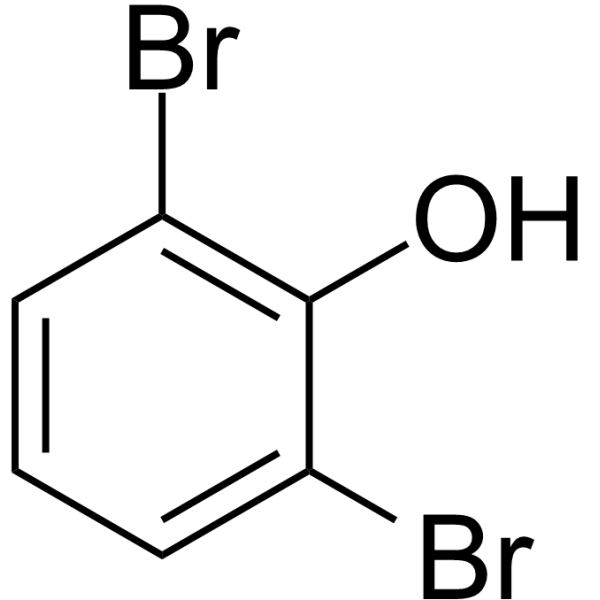 0 Images2,6-Dibromophenol (2,6-DBP) is a weak inhibitor targeting voltage-gated Ca2+ channels. 2,6-Dibromophenol has no significant effect on potassium-induced calcium elevation in PC12 cells. 2,6-Dibromophenol shows a 48 h EC50 of 2.78 mg/L for Daphnia magna and a 96 h EC50 of 9.90 mg/L for algae (Scenedesmus quadricauda).
-
5-Hydroxyindole
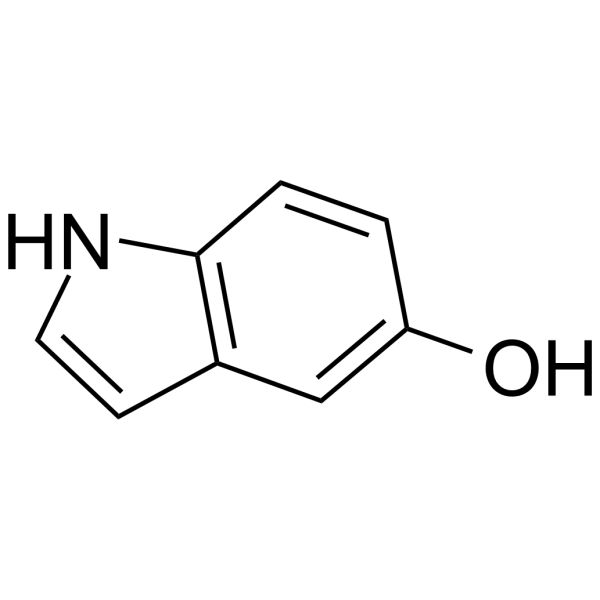 0 Images5-Hydroxyindole is an orally active hydroxylated indole and tryptophan metabolite. 5-Hydroxyindole activates α7 nicotinic acetylcholine receptors and acts on intestinal L-type calcium channels. 5-Hydroxyindole slows down the desensitization of 5-HT3 receptor-mediated ion currents in cells. 5-Hydroxyindole causes convulsions and loss of consciousness. 5-Hydroxyindole is used in the study of neuroblastoma, schizophrenia, and diseases related to intestinal motility disorders.
-
Dantrolene sodium hemiheptahydrate
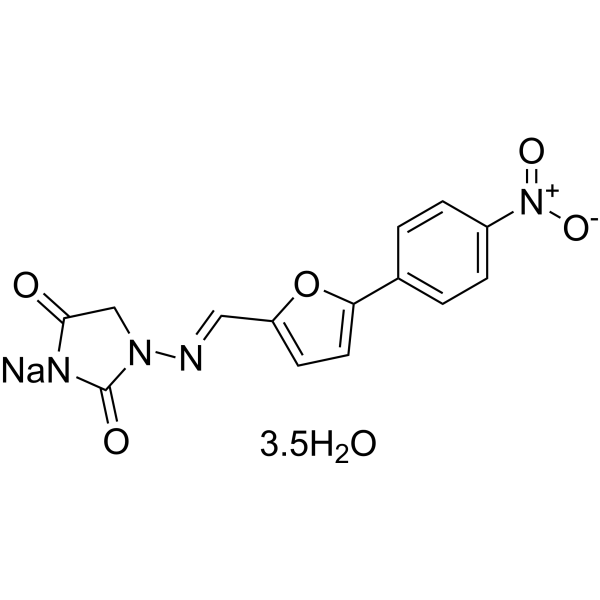 0 ImagesSynonyms: Dantrolene sodium hydrateDantrolene sodium hemiheptahydrate is an orally active, non-competitive glutathione reductase inhibitor with a Ki of 111.6 μM and an IC50 of 52.3 μM. Dantrolene sodium hemiheptahydrate is also a calcium channel protein inhibitor. Dantrolene sodium hemiheptahydrate inhibits the release of Ca2+ from RyR1 and RyR3, which can be beneficial in a variety of pathologies caused by disruptions in calcium homeostasis (e.g., stroke, ischemia/reperfusion injury, and neurodegenerative diseases). Dantrolene sodium hemiheptahydrate offers relief of muscle spasms, malignant hyperthermia, and antitoxic, antipyretic, and anti-inflammatory properties.




